

kq localize ./app --to es,pt-BR,ja --qa native

native.

es-419 / es-ES pt-BR ja-JP

Spanish, Brazilian Portuguese and Japanese for SaaS products — your interface strings, your help center, your onboarding emails. One person translates it, a second native speaker reads it like a customer would, and you get one invoice per language, per project.

send us your strings file

or call (845) 494-1180 — a translator picks up, not a sales rep

A translator at a sunlit desk reviewing a Japanese app screen on her laptop, glossary and pen beside her ✓ second read · ja-JP
Example: one interface string translated into Spanish, Brazilian Portuguese and Japanese, with native review notes resolved.
strings/onboarding.json
  • interface strings
  • help-center articles
  • onboarding emails
  • icu plurals checked
  • {placeholders} left alone
  • pt-BR, never pt-PT by accident
  • tú or usted — decided once
  • keigo set per sequence
  • subject lines that fit
  • glossaries you keep
  • screenshot qa in staging

02 about the desk

three languages. done properly, or not at all.

We could add French and German tomorrow and double the menu. We won’t. Kelp & Quill works in Spanish, Brazilian Portuguese and Japanese because those are the languages we can staff with two fluent, native readers on every job — the person who translates, and the person who reads it back cold, without the English beside it.

The name is the method. Kelp grows fast; a quill moves slowly. Your release schedule needs the first, your customers deserve the second — somebody willing to stop and ask whether “workspace” should even be translated, or whether your Brazilian users already say it in English.

We’re a small shop at 88 Forshay Road in Monsey, NY. Most of the teams we work with never visit. That’s fine: the files travel, and the phone gets answered by someone who’s actually read your strings.

Two reviewers at a long white table marking up printed app screenshots in a bright studio

03 the arithmetic

short numbers we can actually stand behind.

  • 3languages — es, pt-BR, ja. That’s the whole list.
  • 2native reads on every string before it ships.
  • 5,000source words inside a base package.
  • 1invoice per language, per project. No seats, no platform fee.

04 fit check

what you’re paying for, and what we’ll send elsewhere.

Most agency sites list everything they could possibly do. Here’s the list we’d want to read before signing anything.

plan a in every package

  • A translator who signs up for your product and clicks around before touching the strings file.
  • A second native reader who sees only the translation — if it sounds translated, it goes back.
  • ICU plural, gender and {placeholder} checks, so nothing breaks at build time.
  • An overflow report: every string that won’t fit its button, with a shorter option ready.
  • A glossary and style sheet that belong to you, not locked in our tooling.
  • One round of revisions, included, inside 30 days of delivery.

→ priced per language below, in section 07

plan b not from us

  • Arabic, Hebrew or any right-to-left language. That’s a specialist’s job — we’ll introduce you to one.
  • Contracts, terms and privacy policies. You want a certified legal translator, not a product team.
  • Slogans you want reinvented. That’s transcreation, and it’s billed like copywriting — because it is.
  • “Machine output, lightly checked” at four cents a word. Cheaper — until the support tickets start arriving in Spanish.
  • Thirty languages by Friday. Nobody honest sells that.

If you need one of these, ask anyway. We’ll point you somewhere good.

05 what we touch

the three places your product talks to people.

Your interface, your help center and your first week of email. Translate one and skip the others and customers notice the seam — the app speaks Portuguese and the password-reset email doesn’t.

A reviewer comparing a Brazilian Portuguese checkout screen on a phone with a laptop staging build
fig. 05 · pt-BR · checkout flow · second read

Strings get read where they live — on the screen, at the real width — not in a spreadsheet.

ui.strings

interface strings

Buttons, errors, empty states, tooltips. We keep plurals and variables intact and flag anything that will overflow a narrow button before your designer finds it in QA.

.json.yaml.po.xliff.strings.arb
help.center

help-center articles

Translated with your screenshots in view. You get a list of which images need re-shooting in the target locale, so readers aren’t following English buttons.

ZendeskIntercomHelp ScoutMarkdown
email.onboarding

onboarding emails

Subject lines rewritten to fit, preheaders checked, register matched: tú or usted, você, and Japanese politeness set once for the whole sequence.

Customer.ioLoopsHubSpotraw HTML
glossary

glossary & style sheet

Built during your first package and handed over. Every later project reads from it, which is why the second job costs less to get right.

.csv.tbxGoogle Sheet

06 how a job actually goes

three jobs, as they really run.

No case-study gloss. These are the shapes most requests take, and what lands back in your repo.

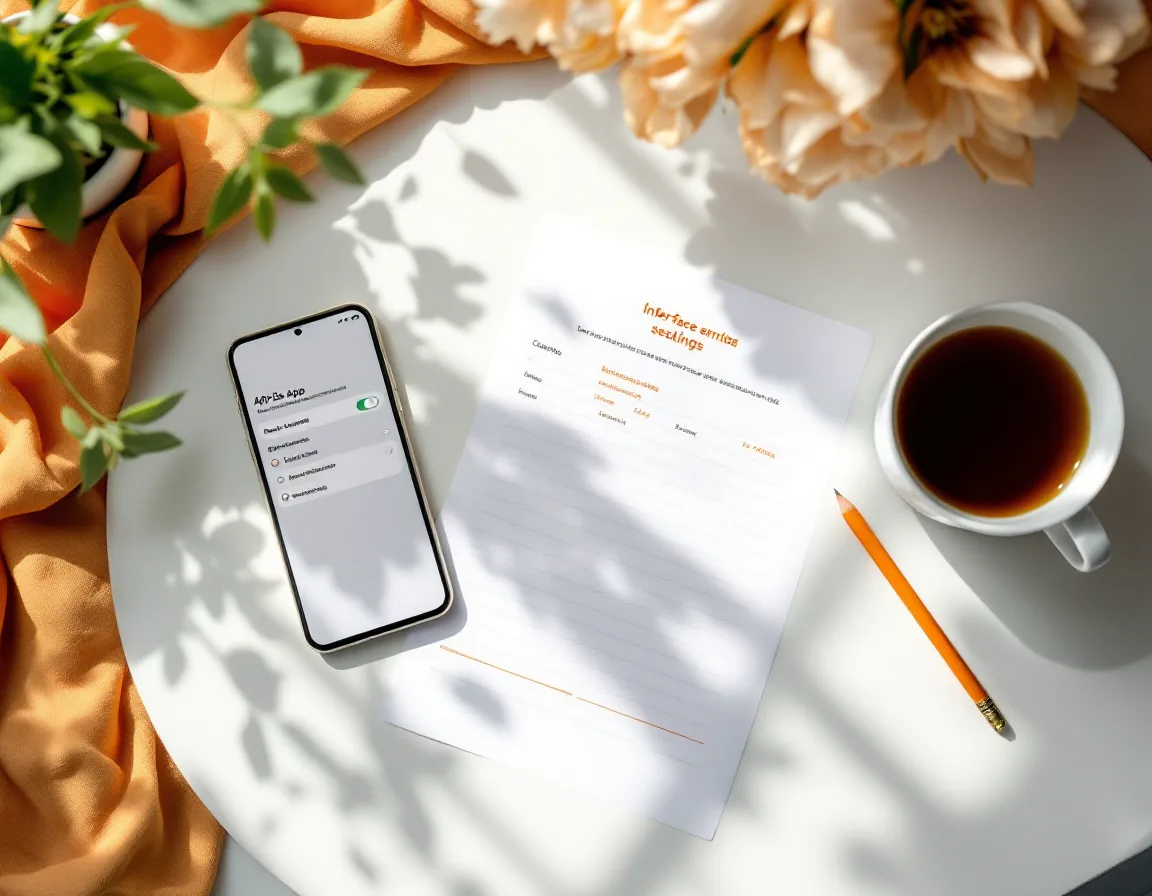
Overhead view of a phone showing a Spanish settings screen next to a printout of strings with character counts circled
ui.strings · es-419

the settings screen that stopped truncating

Spanish runs longer than English, and short labels suffer most. We translate, then check every string against your character limits and send back a short list: these six need a shorter word or a wider button. You choose. We don’t quietly abbreviate “Configuración” into something nobody recognises.

you send
en.json and a staging login
you get
es-419.json plus an overflow report
timing
7 business days, base package
Example diff: an updated English help article and only the changed Portuguese line being re-translated and billed.
help/billing/refunds.md
help.center · pt-BR

a help center that doesn’t drift out of date

English articles change every sprint, and translated ones quietly rot. We diff each update against the last translated version and only re-translate what moved. You’re billed for the changed words — not for us re-reading a page we already did.

you send
a Zendesk or Intercom export, or Markdown
you get
pt-BR articles plus a re-shoot list for screenshots
updates
changed words at the per-word rate
email.onboarding · ja

japanese onboarding with the right amount of polite

A breezy “Hey there!” carried word-for-word into Japanese reads oddly at best. Our reviewer sets the register for the whole sequence once — courteous, not stiff — and every email follows it. Subject lines get rewritten for the length a Japanese inbox actually shows, not squeezed.

you send
the sequence as HTML or from your ESP
you get
ja-JP emails, subjects and preheaders
timing
7 business days, base package

07 packages

pick a language. or all three.

Billed per language, per project. “From” covers up to 5,000 source words with both native reads, the overflow report and a glossary. Bigger jobs get a fixed written quote before anyone translates a word.

es

spanish

from

$1,140

  • Latin American or Spain — pick one
  • Translator + native second reader
  • tú / usted decided up front
quote es
pt-BR

portuguese

from

$1,190

  • Brazilian Portuguese only
  • Translator + native second reader
  • Loanword calls documented
quote pt-BR
ja

japanese

from

$1,760

Costs more because qualified second readers are scarcer and the QA pass runs longer. That’s the whole reason.

quote ja
es · pt-BR · ja

all three

from

$3,690

  • One shared glossary
  • All languages run side by side
  • $400 under buying them separately
quote all three

over 5,000 words: $0.19/word es $0.20/word pt-BR $0.29/word ja rush, 5 business days or fewer: +22% invoiced 50% at kickoff, 50% on delivery

desk Monsey, NY

88 Forshay Road
Monsey, NY 10952
(845) 494-1180 · info@kelpquilllabs.com
Office hours
Monday – Friday8:30am–7pm
Saturday – Sundayclosed · email lands
route me to Forshay Road →
invoices payable by VISA AMEX ACH

before you email us

do you run things through machine translation first?

Sometimes, for repetitive interface strings — and we mark it on the invoice so you know. It never ships on its own: the translator rewrites it, and the second reader checks the result without seeing the English.

why does japanese cost more?

Fewer reviewers can judge politeness register and dense UI layout at the same time, and that QA pass takes longer. No “complexity surcharge” theatre — that’s the reason.

how long does a base package take?

Seven business days per language. All three run side by side, so the full bundle is still seven. Rush — five business days or fewer — adds 22%.

what do you need from us?

Source files in whatever format your repo already uses, a staging login or screenshots, and thirty minutes with whoever wrote the English. That one call prevents more errors than any tool we own.

what if something’s wrong after launch?

Tell us within 30 days of delivery. If it’s our mistake, we fix it and you don’t see a line item for it. If it’s new copy on your side, we quote it at the per-word rate.